A field self-check / Vol. 01
Guess first.inside.
Read the everyday observation and its popular explanation. Would you have said the same thing? Make a choice to see what happens inside.
Contents / 11 machinesHonest self-check
Observe. Test. Explain.
Your instinct tally
Test your instincts on 11 everyday machines below.
0 of 11 machines investigated
Reveal all
Reset cards
11 everyday machine puzzles
Plate 011
HW–011 / Induction stove
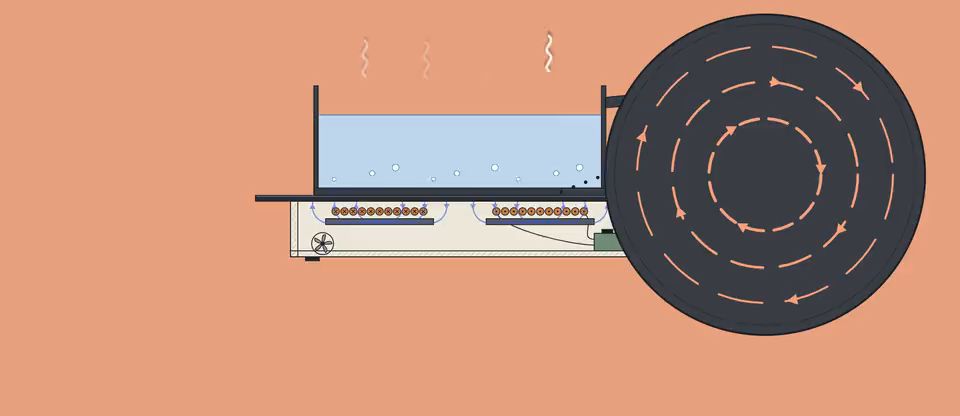
A pan of water boils on a stove that is not burning.
How does a stove heat a pan but stay cool?
Popular explanation
“A hot ring or a flame hides under the black glass and heats the pan.”
That’s what I’d have said
That explanation sounds wrong
Silent diagram Play diagram
Field self-check
Inside the induction stove.
Under the black glass there is no flame and no hot ring. We open a stove up to see where the heat comes from.
Field mechanism note
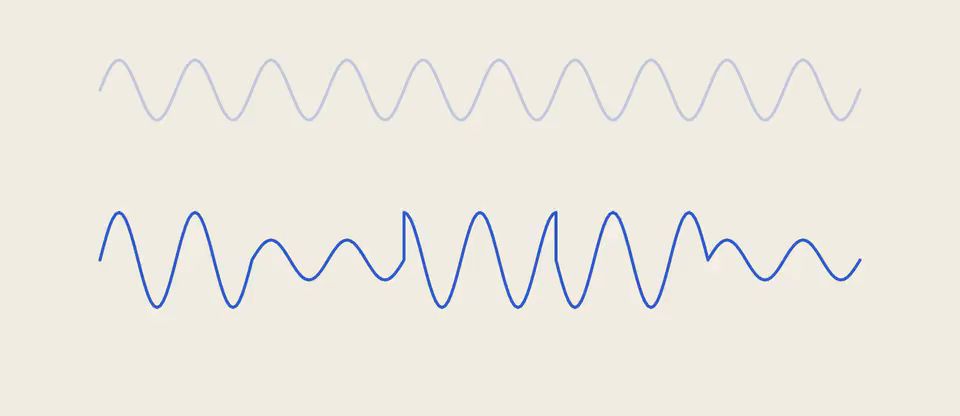
The magnetic field of an induction stove swings back and forth about 25,000 to 50,000 times a second.
Plate 010
HW–010 / Door lock
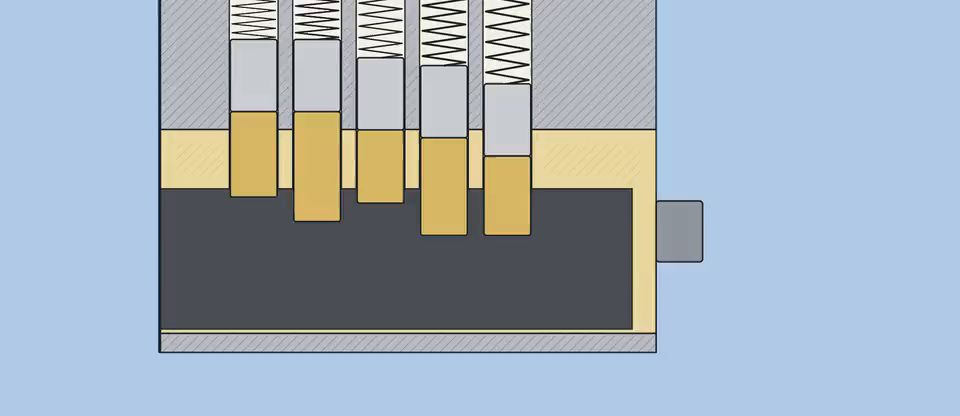
Many keys slide into your front door lock, but only one turns it.
How can one key open a lock when many keys fit the slot?
Popular explanation
“The lock reads the key's whole shape, like a jigsaw piece, so a key that is nearly right should nearly work.”
That’s what I’d have said
That explanation sounds wrong
Silent diagram Play diagram
Field self-check
Inside the door lock.
Thousands of keys fit the slot, but only one turns the lock. We cut a lock in half to see how it checks each cut.
Field mechanism note
Five cuts with ten depths make a hundred thousand patterns in theory, and at most about eighty thousand are allowed.
Plate 009
HW–009 / Ballpoint pen
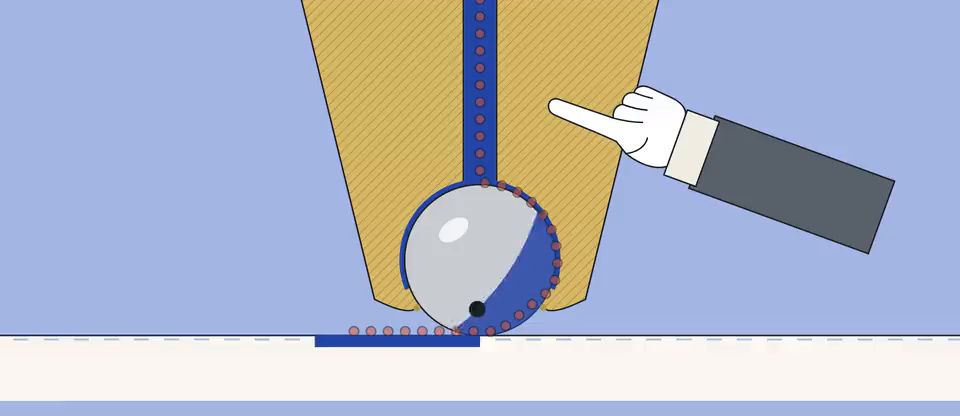
A pen's tip is an open hole full of ink, yet nothing drips out.
Why doesn't a ballpoint pen drip, and how does it write on the first try?
Popular explanation
“The ink drips out of the tip because gravity pulls it, like a tap.”
That’s what I’d have said
That explanation sounds wrong
Silent diagram Play diagram
Field self-check
Inside the ballpoint pen.
The tip is an open hole full of ink. We cut one open to see what keeps the ink in.
Field mechanism note
The ink in a ballpoint is thousands of times thicker than water.
Plate 008
HW–008 / Thermos flask
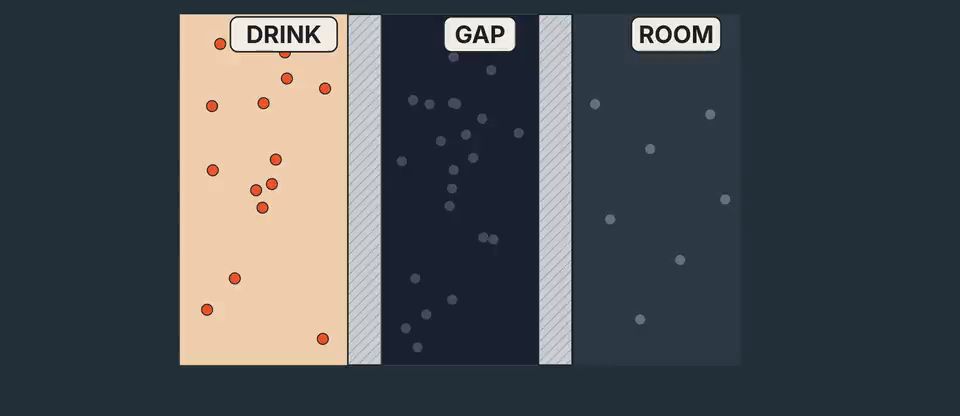
A thermos keeps soup hot and ice water cold.
How does one flask keep soup hot and ice water cold?
Popular explanation
“A thermos makes heat or cold, or its walls trap hot air to keep the drink warm.”
That’s what I’d have said
That explanation sounds wrong
Silent diagram Play diagram
Field self-check
Inside the thermos flask.
One flask does both jobs. We cut one open to see how it does it.
Field mechanism note
James Dewar built a vacuum flask in 1892 in London.
Plate 007
HW–007 / Toilet
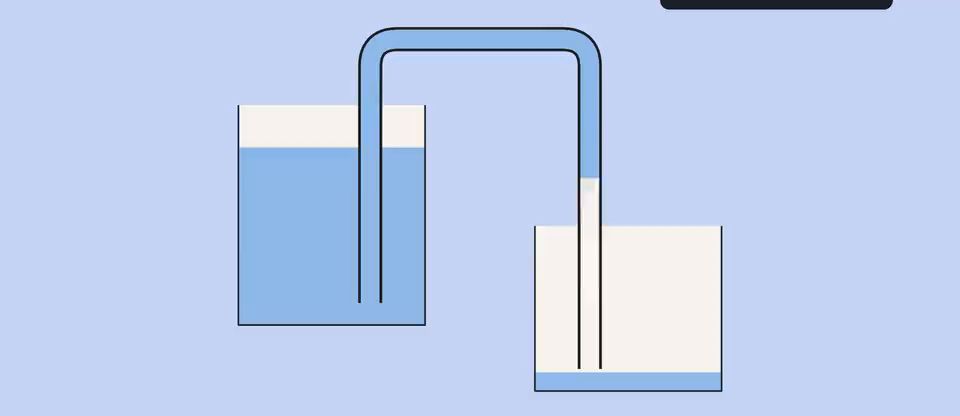
A toilet empties a whole bowl in seconds, and it has no pump.
How does a toilet flush without a pump?
Popular explanation
“The water from the tank pushes everything down, or something at the sewer end sucks it away.”
That’s what I’d have said
That explanation sounds wrong
Silent diagram Play diagram
Field self-check
Inside the toilet.
A toilet with no pump still empties a whole bowl. We cut one in half to see what does the pulling.
Field mechanism note
In 1775 Alexander Cumming patented a bent pipe under the bowl, which he called a stink trap.
Plate 006
HW–006 / Iron
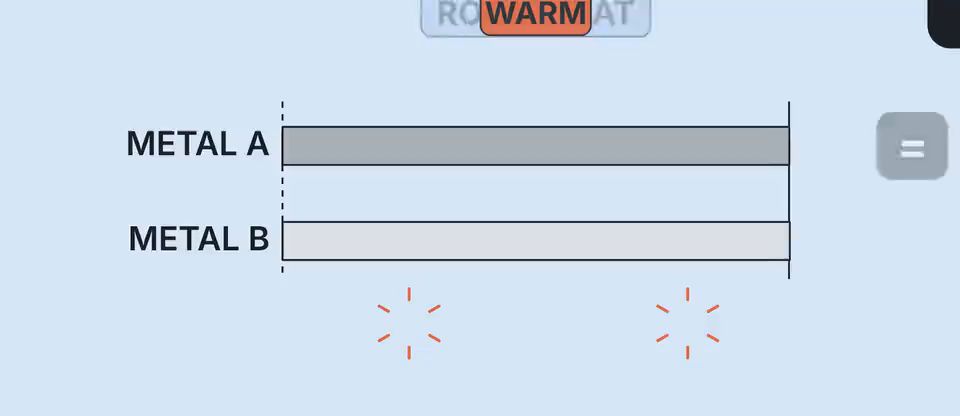
An iron's little light keeps going off and on, even when you never touch the dial.
Why does an iron's light keep going off and on when it is set to one heat?
Popular explanation
“The iron's dial works like a dimmer: a low setting means less power, all the time.”
That’s what I’d have said
That explanation sounds wrong
Silent diagram Play diagram
Field self-check
Inside the iron.
The light is the clue. We open an iron up to see what is switching.
Field mechanism note
John Harrison used a strip like this in a sea clock around 1759.
Plate 004
HW–004 / Non-stick pan
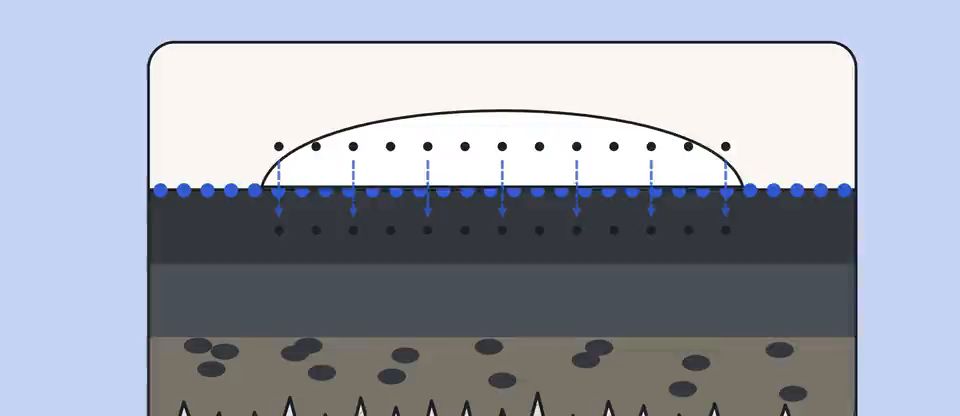
An egg slides right off a non-stick pan.
If nothing sticks to a non-stick pan, how is the coating stuck on?
Popular explanation
“The coating is glued on to the pan.”
That’s what I’d have said
That explanation sounds wrong
Silent diagram Play diagram
Field self-check
Inside the non-stick pan.
The answer starts under the coating, in the metal. We cut a pan open to see what holds the Teflon on.
Field mechanism note
On 6 April 1938, a white powder fell out of a DuPont gas cylinder that should have held gas.
Plate 005
HW–005 / Kettle
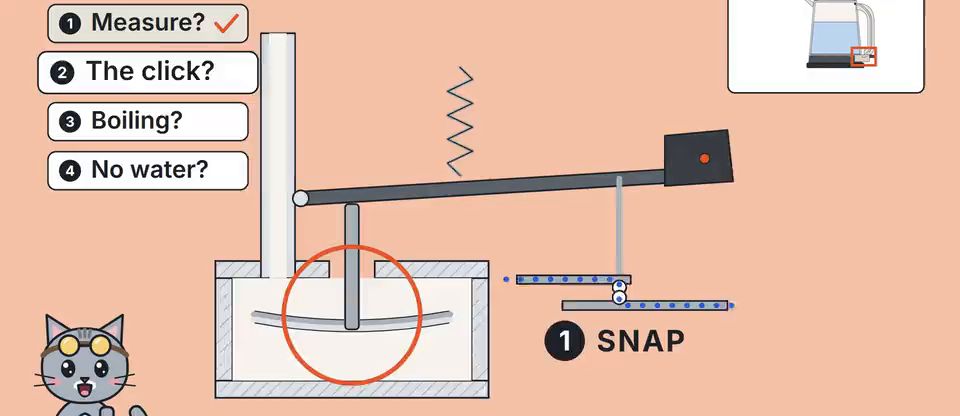
A kettle clicks off by itself when the water boils.
How does a kettle know when to switch itself off?
Popular explanation
“The kettle switches off when the water reaches 100 degrees Celsius, like a thermometer.”
That’s what I’d have said
That explanation sounds wrong
Silent diagram Play diagram
Field self-check
Inside the kettle.
The kettle does not check the water. So what does it check? We open one up and find out.
Field mechanism note
An engineer, John Taylor, says it has been calculated that over two billion of his kettle-switch parts have been made.
Plate 003
HW–003 / Wi-Fi
The video on your phone freezes when someone starts the microwave.
Why does a video on your phone freeze when the microwave runs?
Popular explanation
“The router aims a beam at your phone, like an invisible cable.”
That’s what I’d have said
That explanation sounds wrong
Silent diagram Play diagram
Field self-check
Inside the wi-fi.
The oven is not touching your phone, so why does it stop the video? We follow one video from the router to your phone.
Field mechanism note
Two rooms away, your phone may get about a fifth of a billionth of a watt from the router.
Plate 002
HW–002 / Fridge
The back of your fridge is warm, even though it is there to keep food cold.
How does a fridge keep food cold, and why is its back warm?
Popular explanation
“A fridge makes cold, so an open fridge lets the cold out and cools the kitchen.”
That’s what I’d have said
That explanation sounds wrong
Silent diagram Play diagram
Field self-check
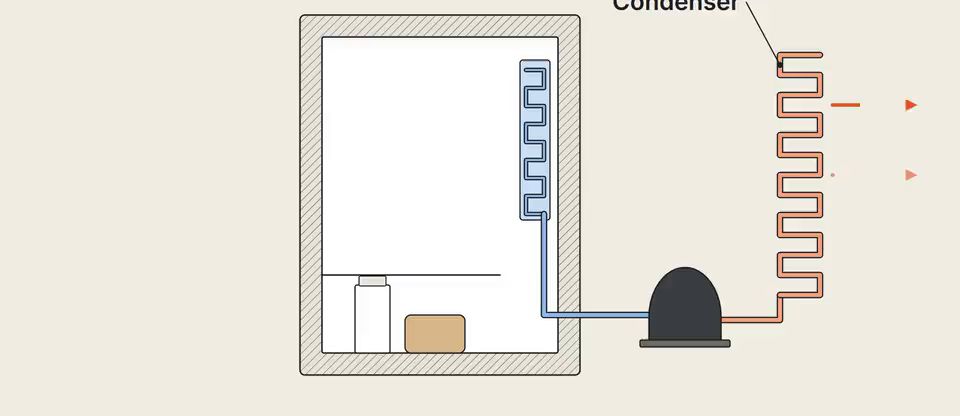
Inside the fridge.
A fridge does not make cold. We turn one around to see what it does instead.
Field mechanism note
A typical fridge runs about twenty minutes on and twenty minutes off, roughly half the time.
Plate 001
HW–001 / Microwave
Leftovers come out scalding at the edge and cold in the middle.
Why is the middle of your leftovers still cold when the edge is scalding?
Popular explanation
“Microwaves cook food from the inside out.”
That’s what I’d have said
That explanation sounds wrong
Silent diagram Play diagram
Field self-check
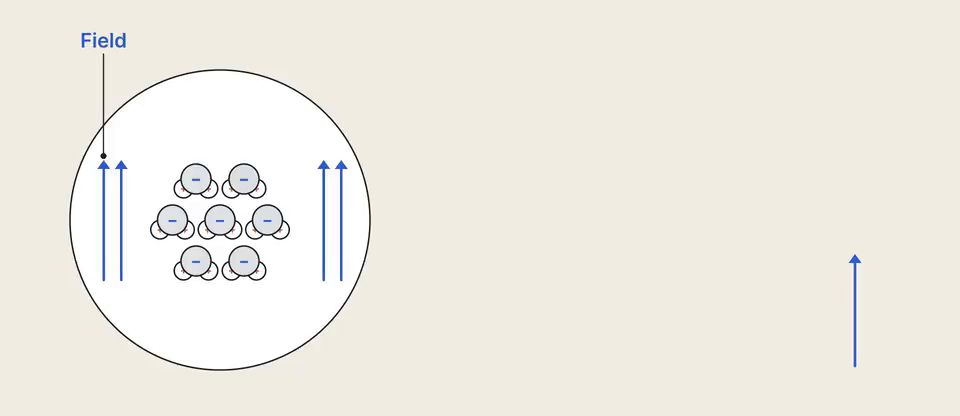
Inside the microwave.
The waves do not get far into your soup. So what carries the heat the rest of the way?
Field mechanism note
The electric field of a microwave swings back and forth 2.45 billion times every second.
Field verdict
A guess is only the start.
Investigate the machines above to see your full field verdict.
There is more to see under the cover.
Hidden Workings Mascot / Field Note
Another machine. Another question.
Enjoyed the puzzle?YouTube. Every video starts with a question you can test yourself, debunks the common myth, and shows the clean working diagram. Subscribe so you never miss a new machine.
Subscribe on YouTube ↗ Stay curious. We’ll bring the drawings.