01
Notice.
The back of the fridge is warm. That’s odd for a box that keeps things cold.
Your fridge is warm at the back. Your kettle knows when to stop. There’s a good explanation hiding in plain sight.
No flame. No glowing ring.
So where is the heat coming from?
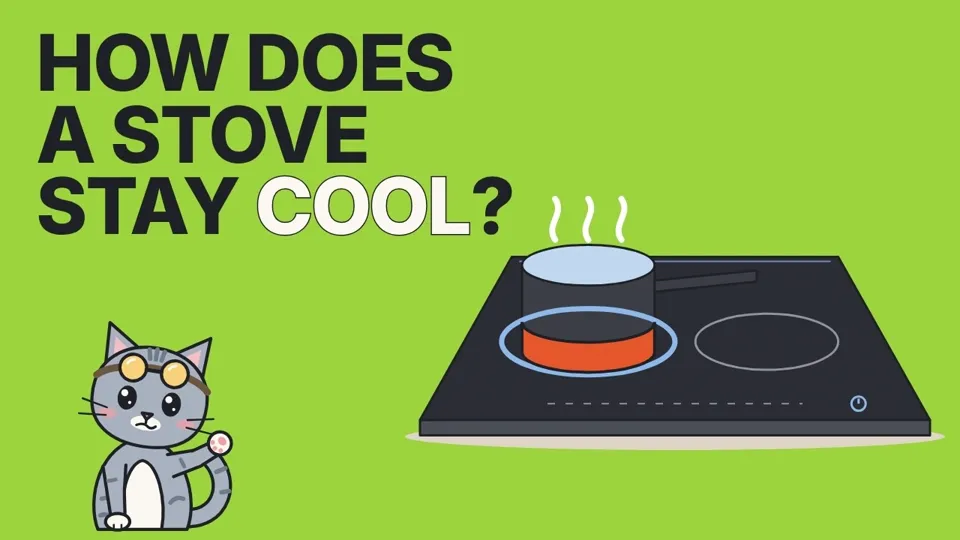
Under the black glass there is no flame and no hot ring. We open a stove up to see where the heat comes from.
Knowing a part’s name is a start. Knowing what it will do next is better. Every video follows the same five steps.
The back of the fridge is warm. That’s odd for a box that keeps things cold.
Does it make cold? Pause for a moment. What do you think?
“Making cold” doesn’t explain those warm coils at the back.
Real thing. Cutaway. Clear diagram. Follow the heat from inside to outside.
Leave the fridge door open. Will the room get cooler? Now you can work it out.
No screwdriver needed. We do the opening up.
11 ordinary things.
11 reasons to look again.
 9:37
Under the black glass there is no flame and no hot ring. We open a stove up to see where the heat comes from.
 9:25
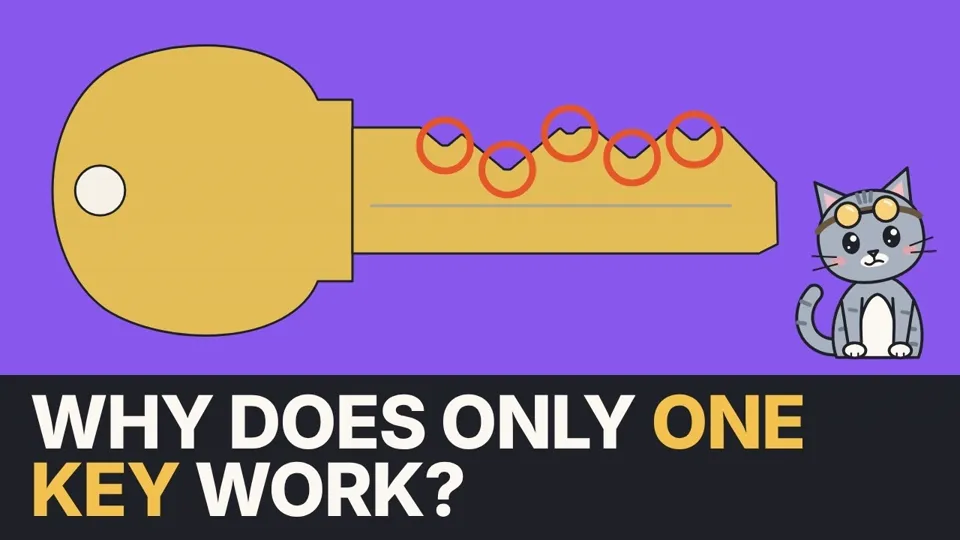
Thousands of keys fit the slot, but only one turns the lock. We cut a lock in half to see how it checks each cut.
 9:25
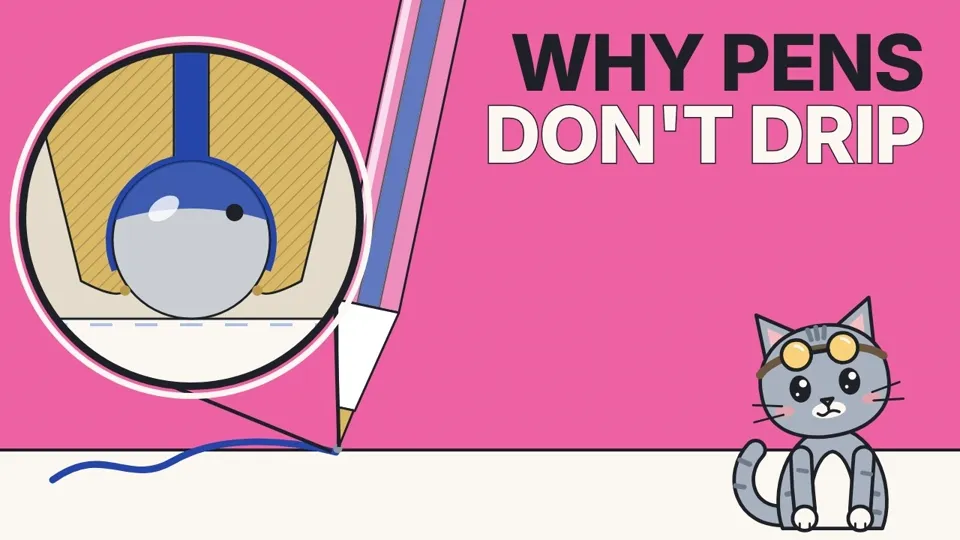
The tip is an open hole full of ink. We cut one open to see what keeps the ink in.
 10:07
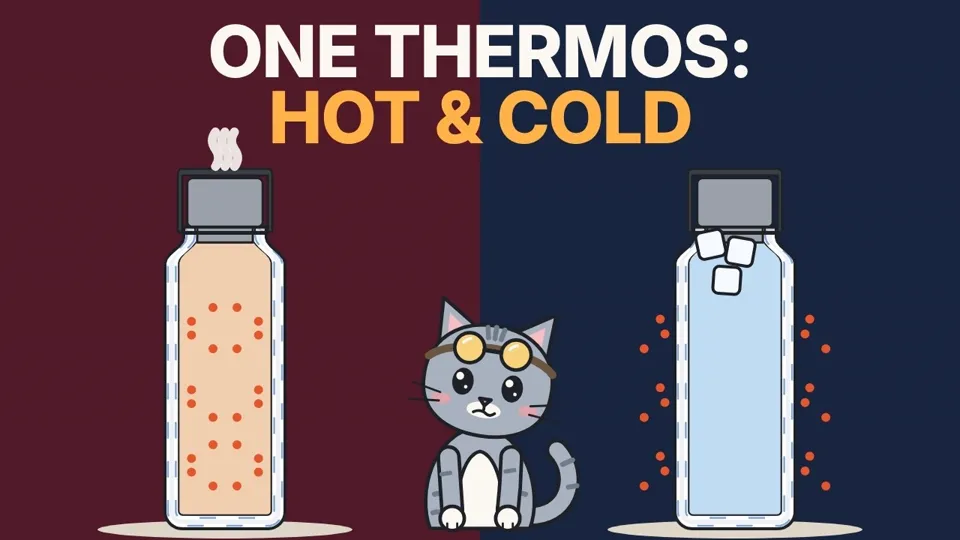
One flask does both jobs. We cut one open to see how it does it.
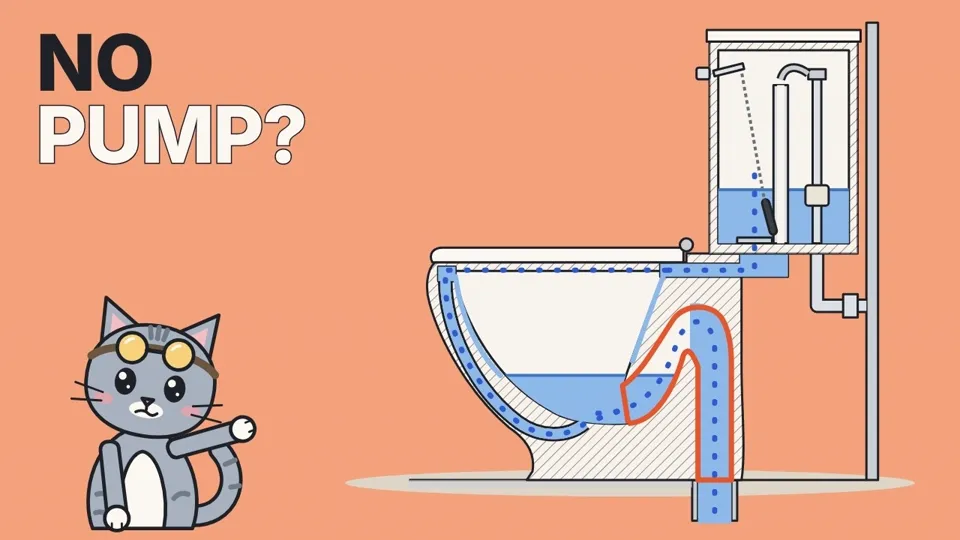 9:05
A toilet with no pump still empties a whole bowl. We cut one in half to see what does the pulling.
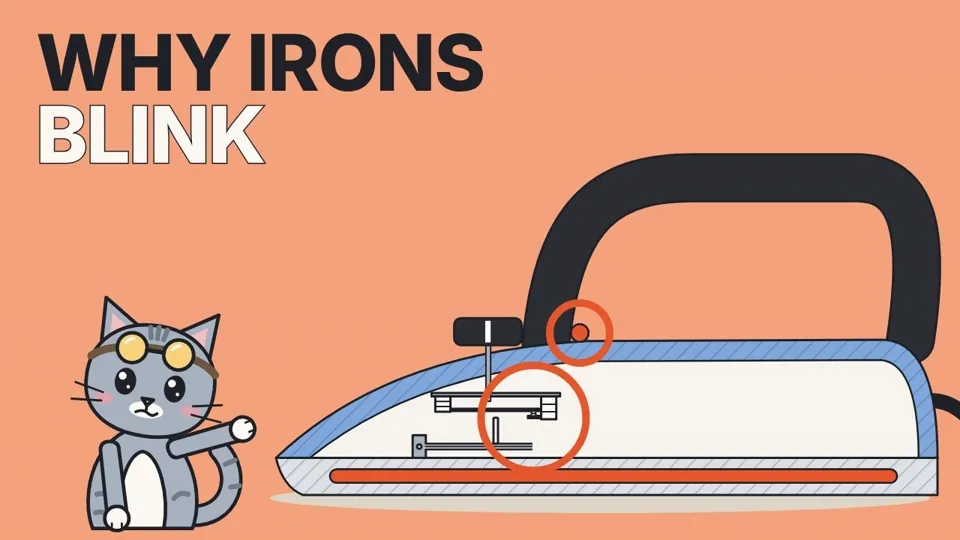 8:51
The light is the clue. We open an iron up to see what is switching.
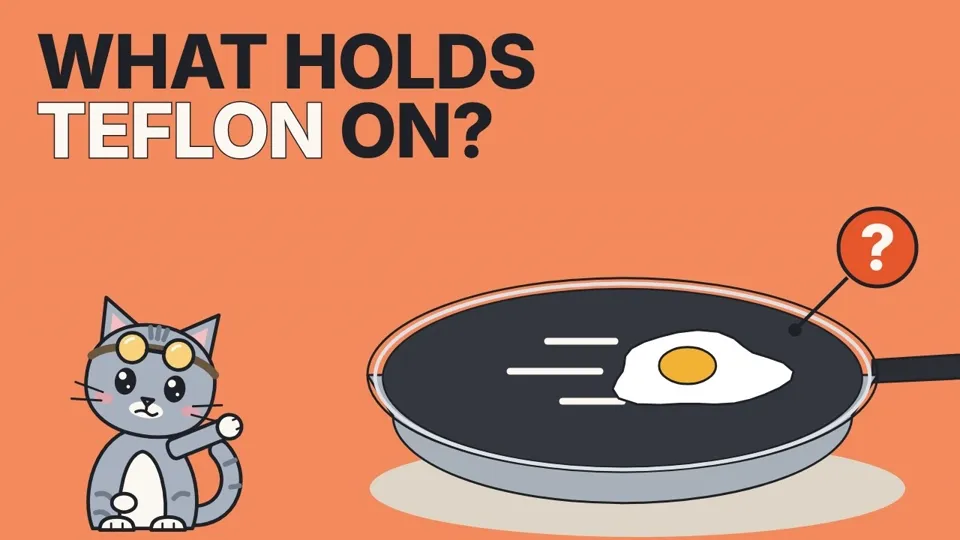 7:42
The answer starts under the coating, in the metal. We cut a pan open to see what holds the Teflon on.
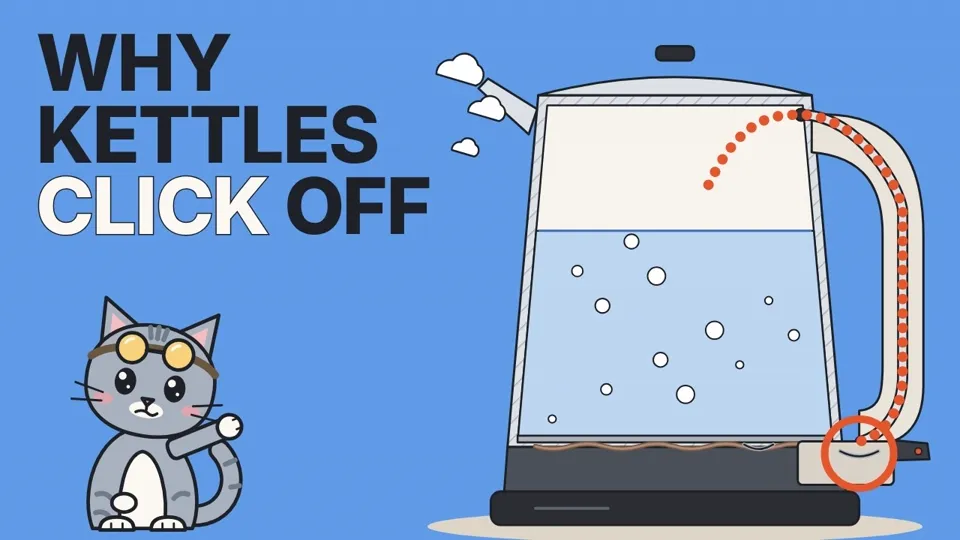 9:15
The kettle does not check the water. So what does it check? We open one up and find out.
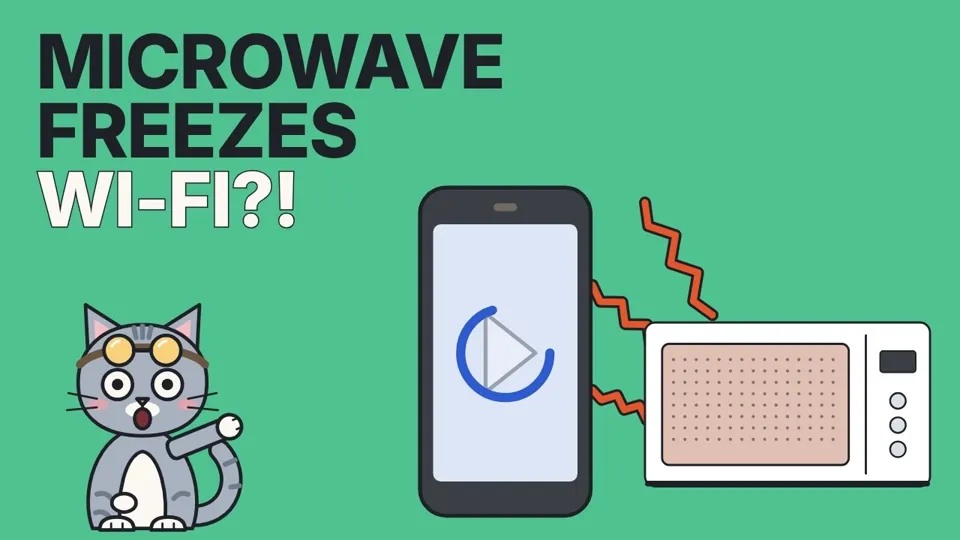 9:17
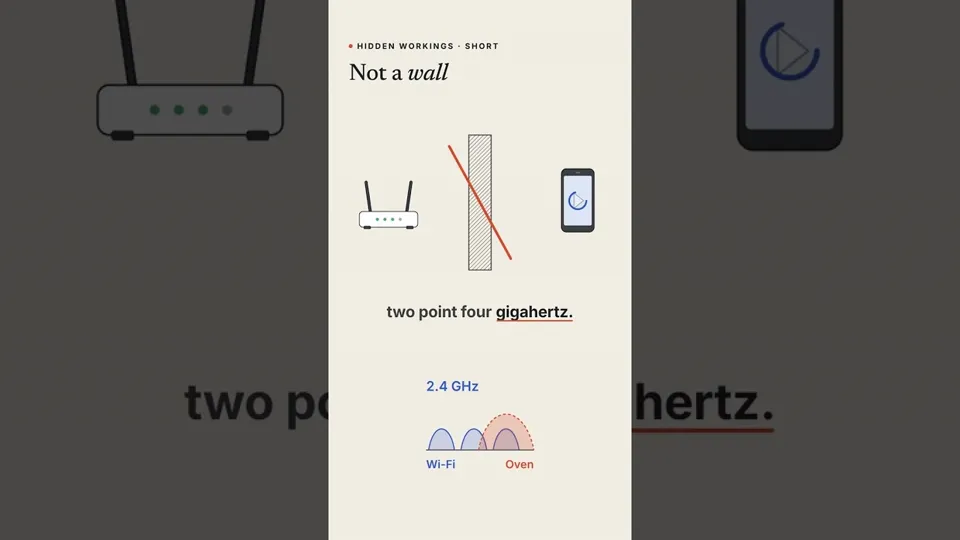
The oven is not touching your phone, so why does it stop the video? We follow one video from the router to your phone.
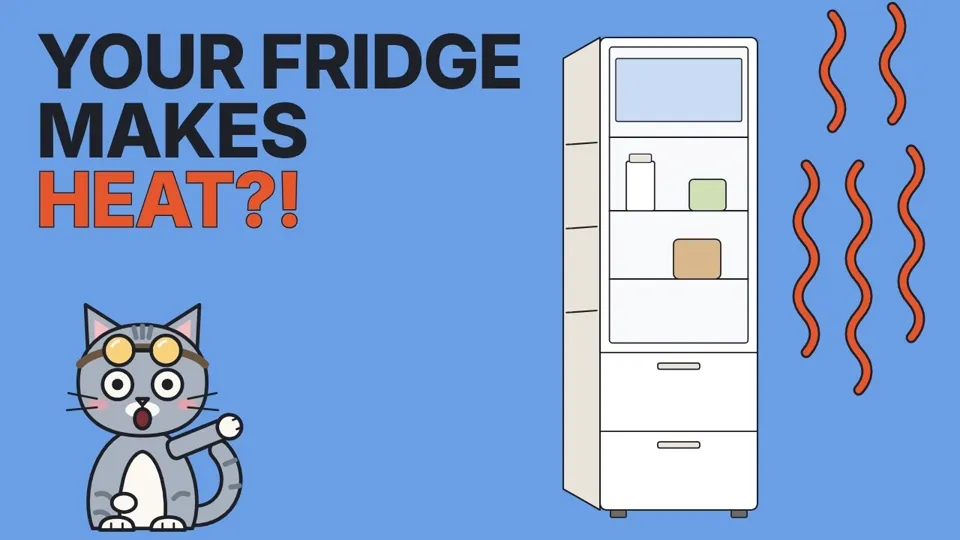 8:05
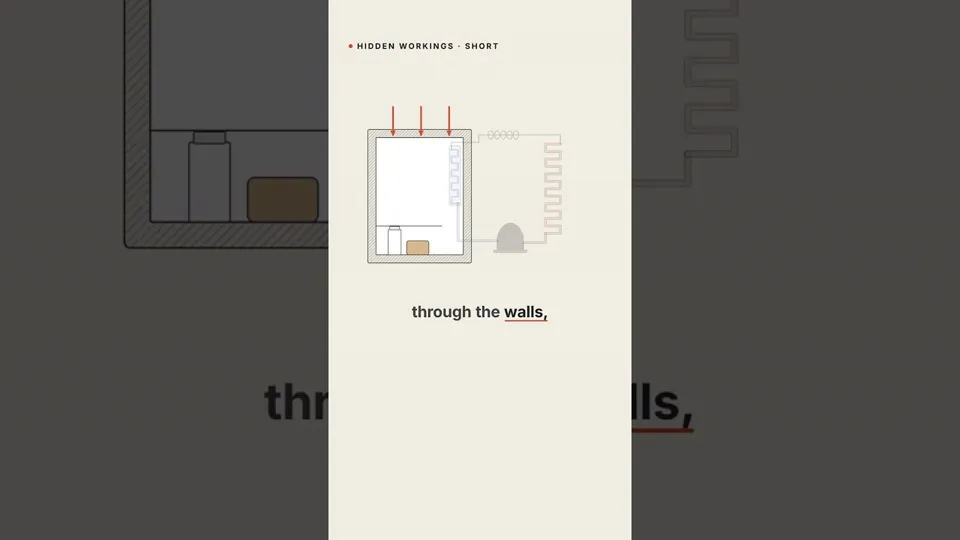
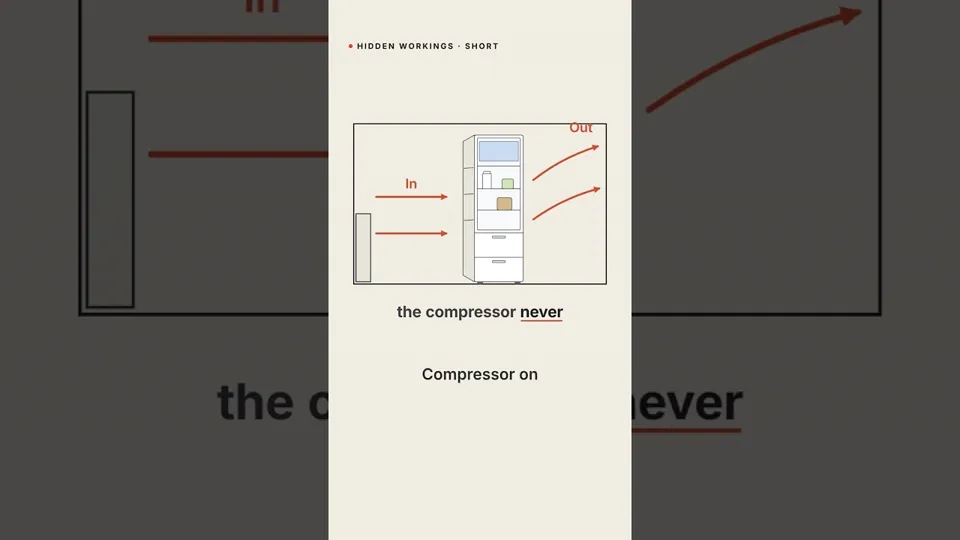
A fridge does not make cold. We turn one around to see what it does instead.
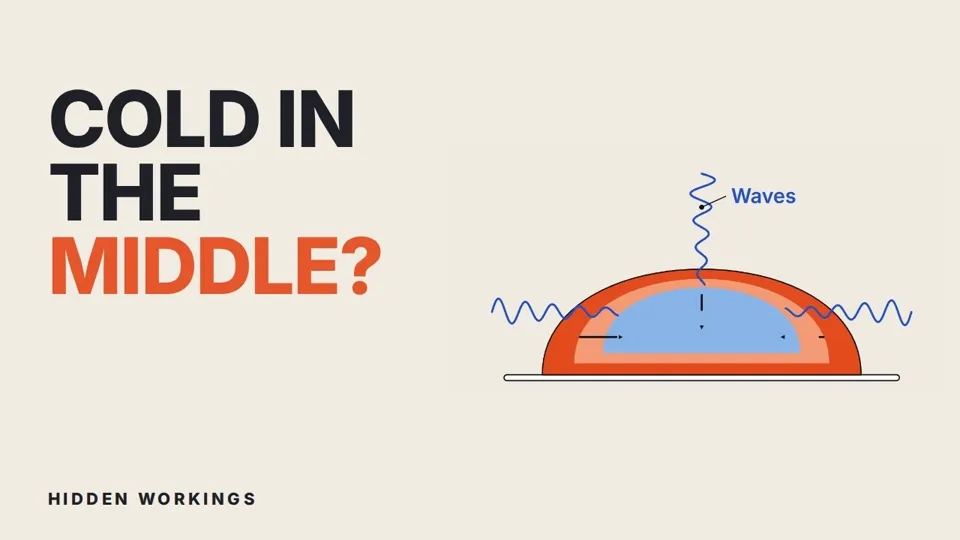 6:25
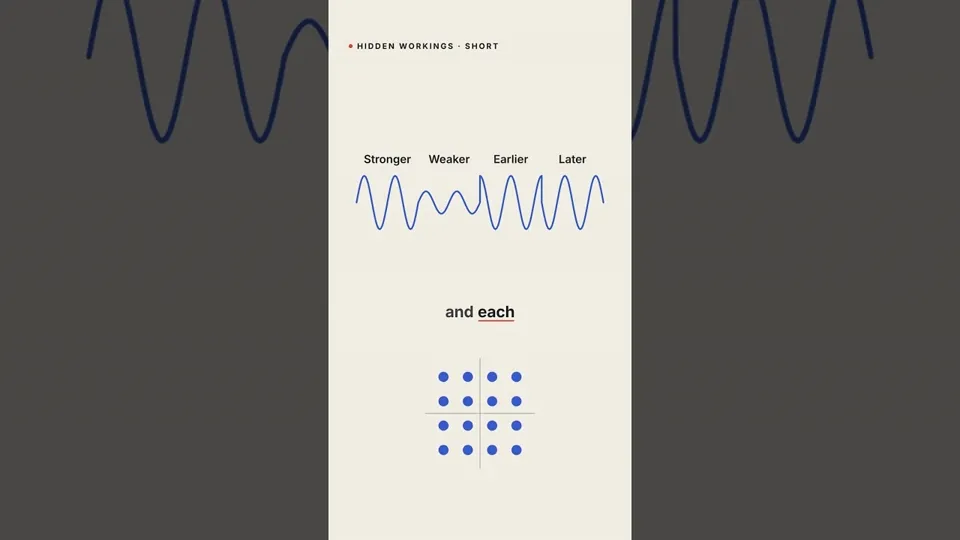
The waves do not get far into your soup. So what carries the heat the rest of the way?
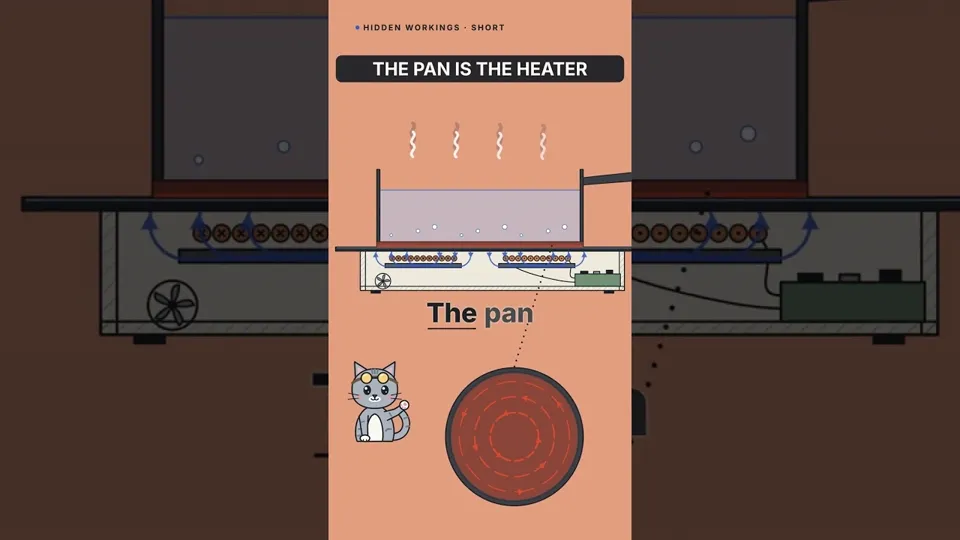 44 sec ↗
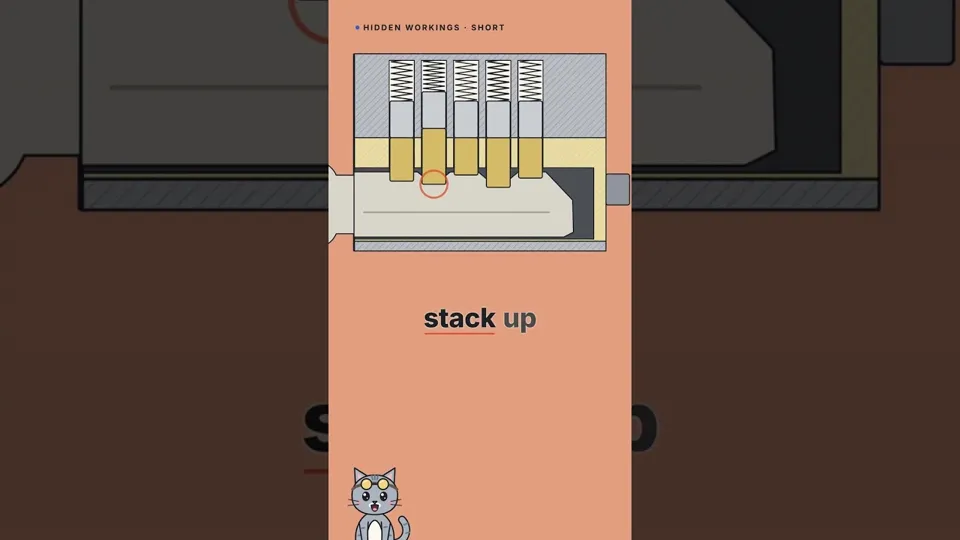 44 sec ↗
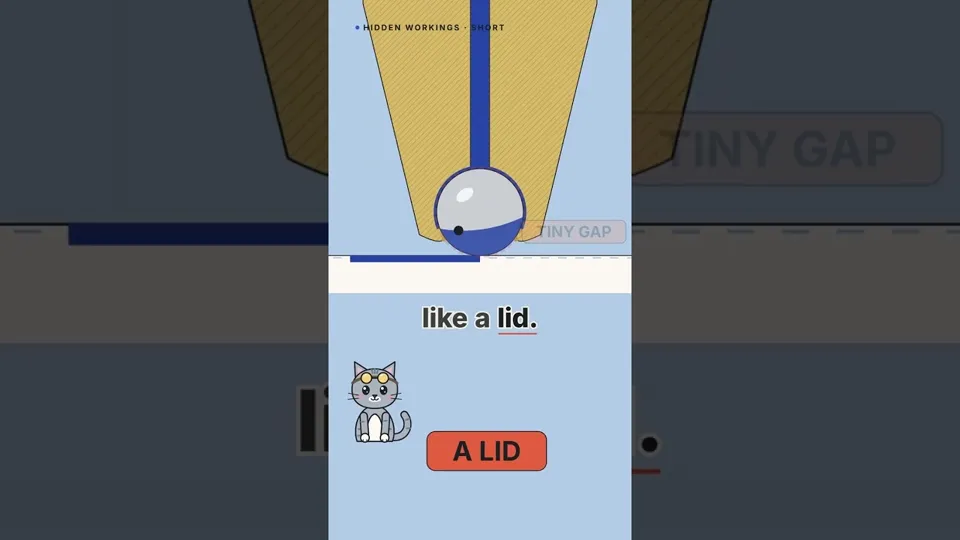 40 sec ↗
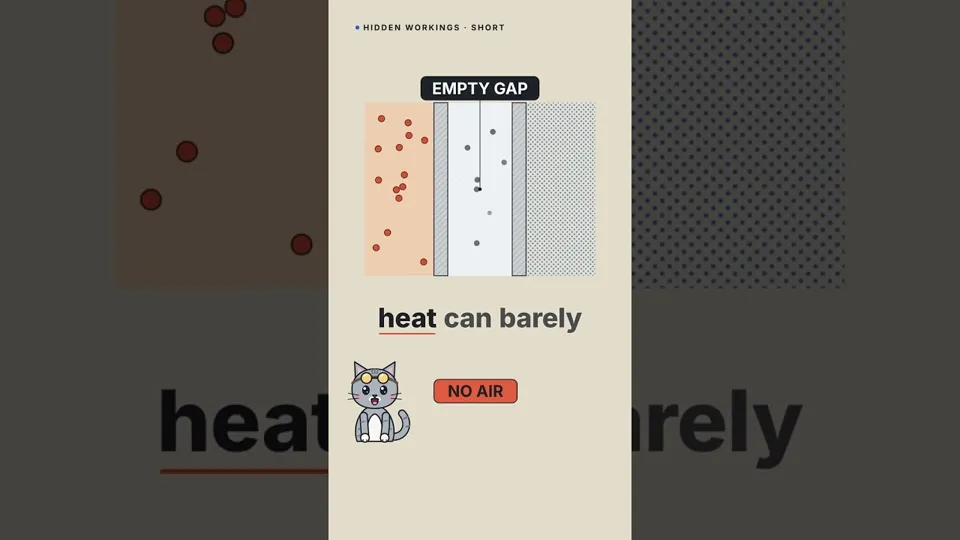 49 sec ↗
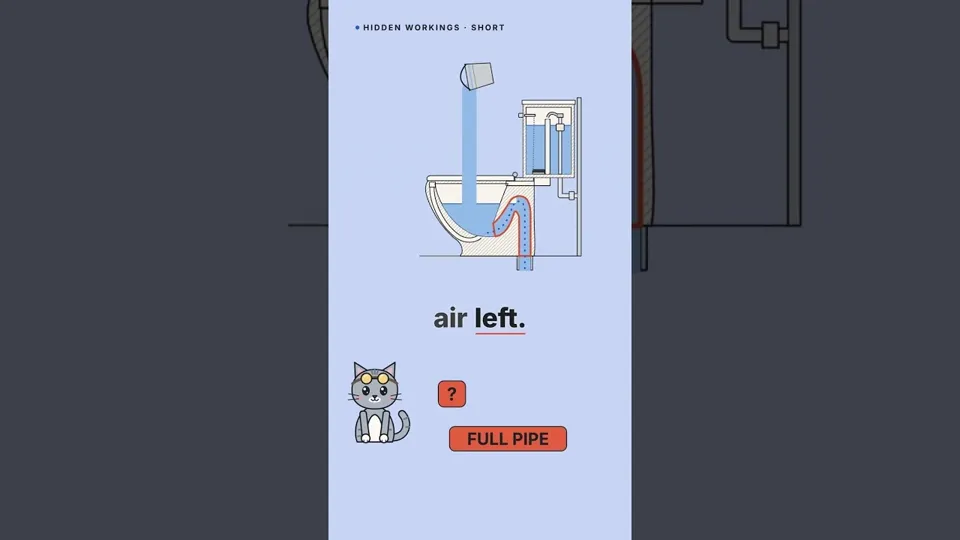 36 sec ↗
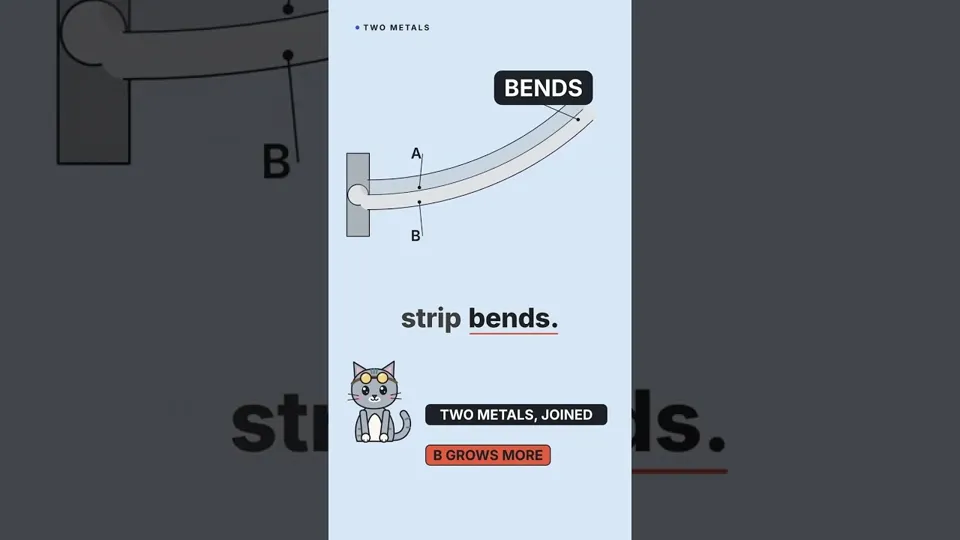 39 sec ↗
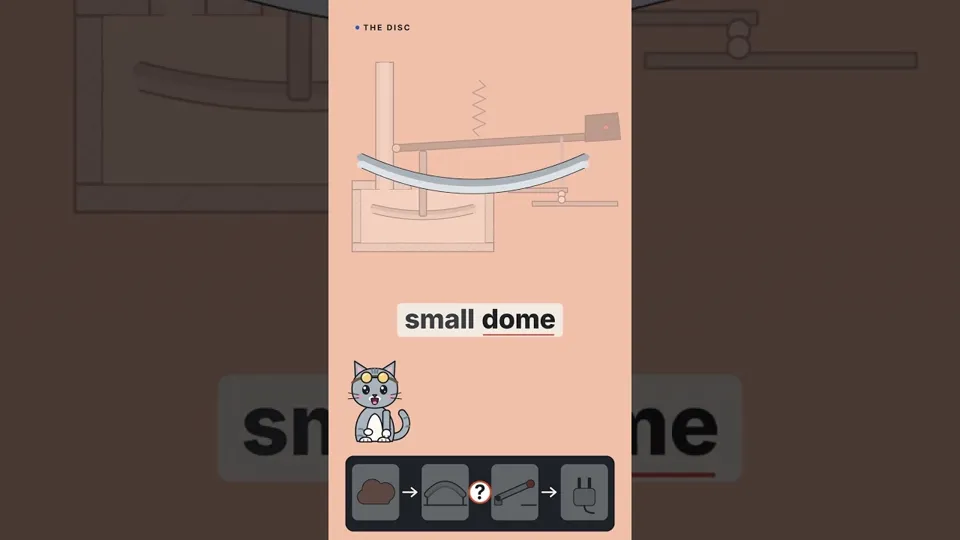 43 sec ↗
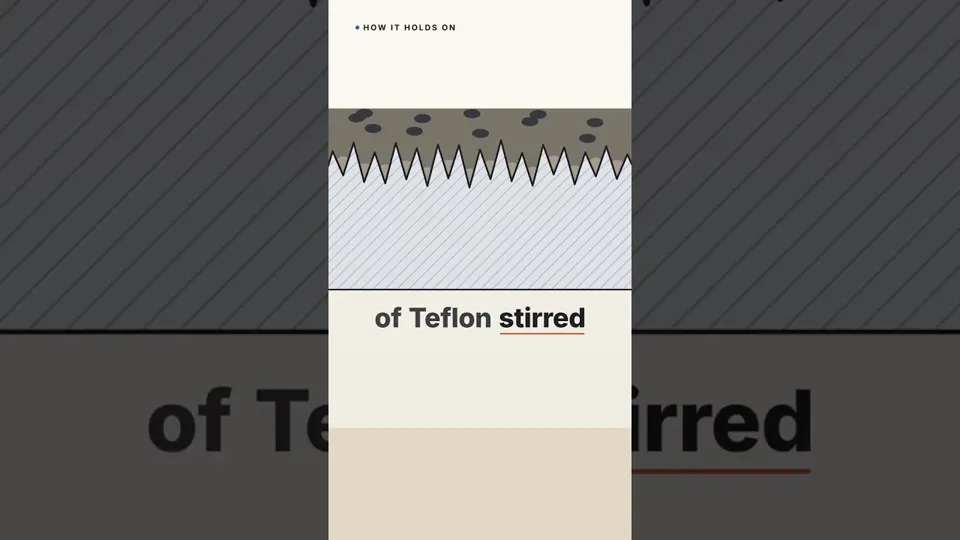 33 sec ↗
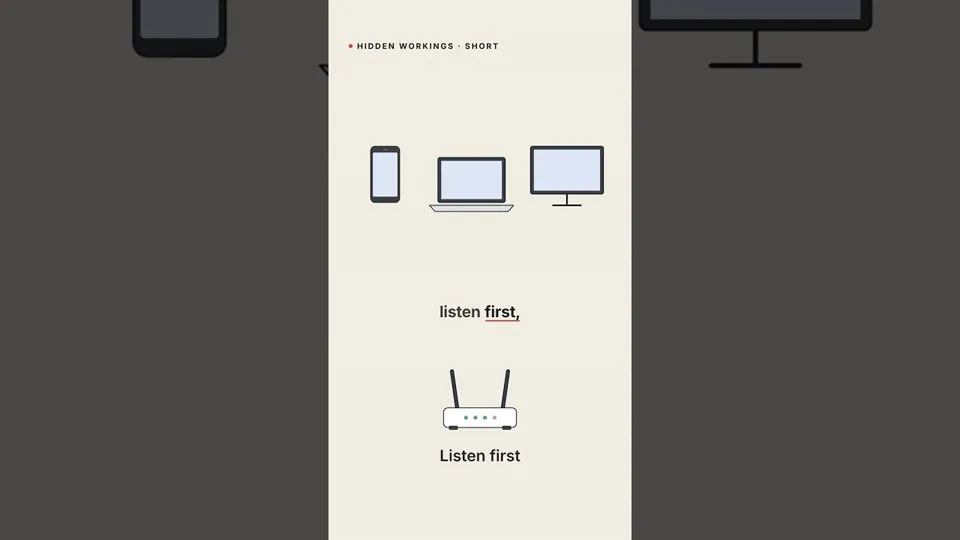 45 sec ↗
 48 sec ↗
 53 sec ↗
 43 sec ↗
 50 sec ↗
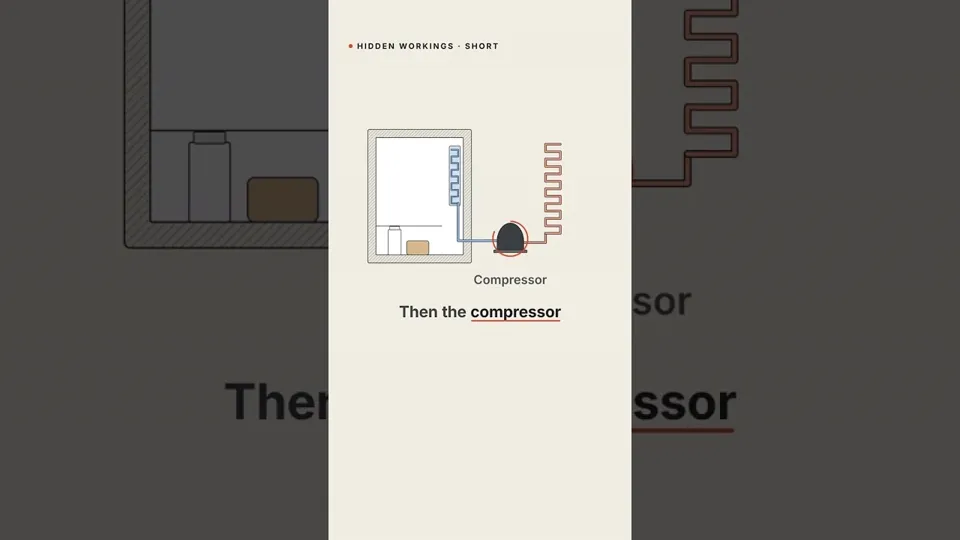 49 sec ↗
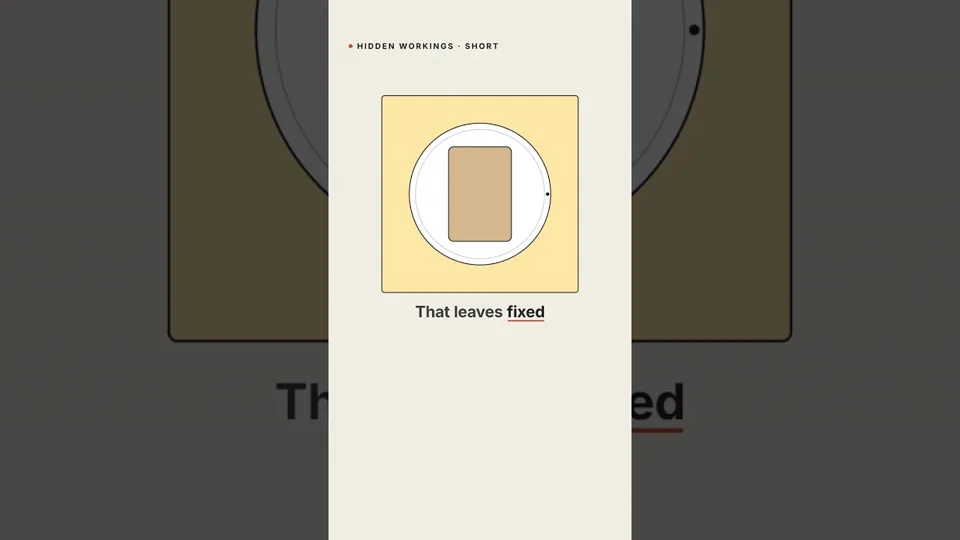 45 sec ↗
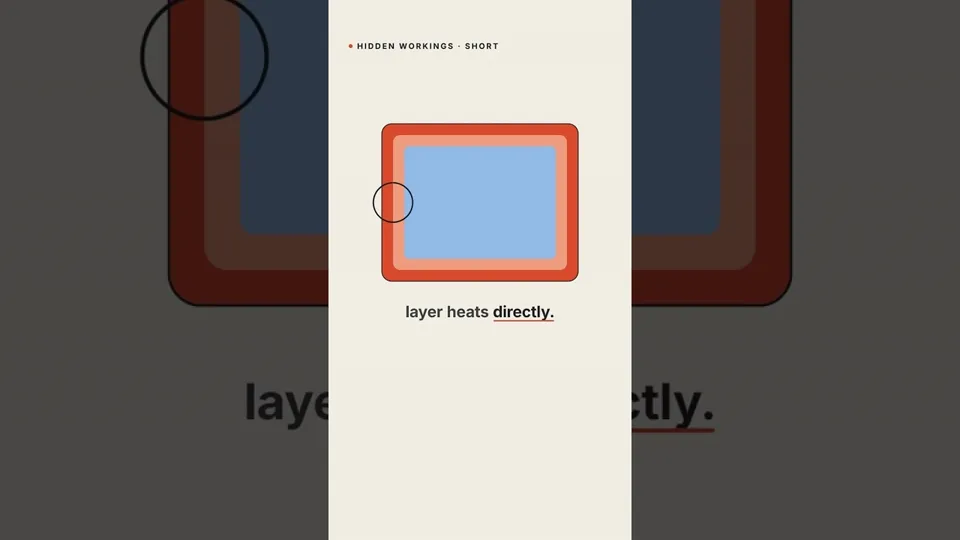 50 sec ↗
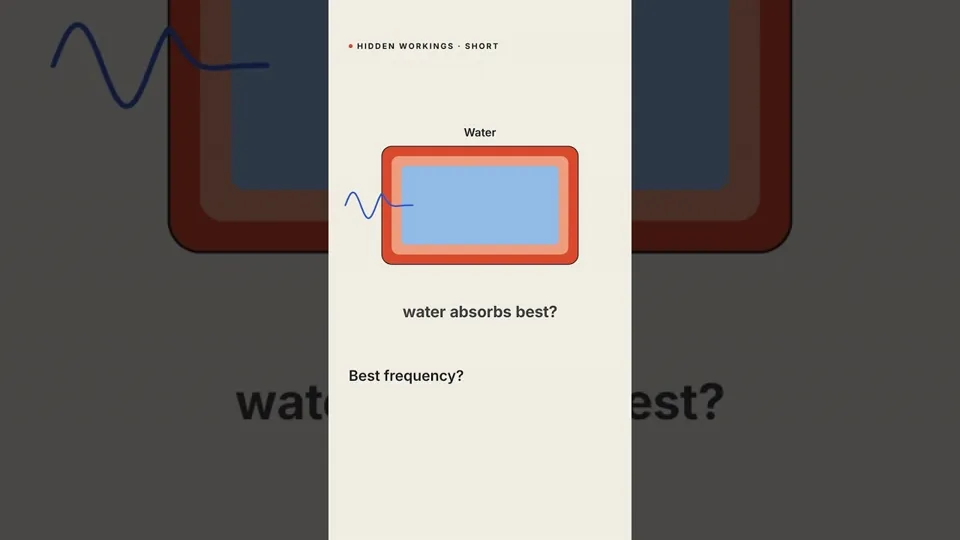 54 sec ↗
17 small discoveries · Watch all Shorts →
Two more things worth opening up.
Two pots are boiling, and one is about twenty degrees hotter. Why can a lid do that?
Next in production: the zipper.
Hidden Workings is for anyone who has ever stared at an ordinary thing and wondered what’s going on inside.
The drawings are simple on purpose. The explanations take more work. Here’s what goes into them.
Curiosity is allowed.
Especially about the kettle.
We start with primary sources and check each claim. Every number has a source. You’ll find the references in each video’s description.
We write to a teaching plan, then draw and animate flat technical illustrations. Each description also says what we simplified on purpose.
The narration uses Kokoro, a text-to-speech model. The research, teaching plan, drawings and animation are the work of Hidden Workings.
Something doesn’t add up? Tell us in the video’s comments. A clear explanation should stand up to a closer look.
Make an observation.
Then see what explains it.
With the stove off, hold a fridge magnet to the bottom of each of your cold pans and see which ones stick.
See the explanation →Write with a cheap pen pointing up until the line fades. Then turn the pen over, scribble on scrap paper, and write again.
See the explanation →Lay two of your own house keys side by side, count the cuts, and find where they differ.
See the explanation →Follow the cutaways from the real object to a clear diagram. Subscribe on YouTube to catch the next explanation.
Subscribe on YouTube